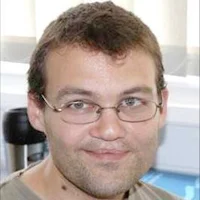
Professor Philip Taylor
Professor of Translational Immunology, Division of Infection and Immunity. PGR Lead, Systems Immunity Research Institute.
Overview
I have expertise in study of the innate immune system, in particular, macrophages, myeloid cell surface receptors involved in pathogen recognition and inflammation and the complement system. More recently, I have been engaged in fundamental questions of macrophage biology, relating to origins, development and renewal, and the transcriptional control of cellular activation. Following from this, I have developed a particular interest in the role of microglia in dementia, especially Alzheimer's disease. I have an additional interest in the development and validation of technologies that promote the 3Rs within a framework of scientific excellence. I have a strong foundation in the study of and development of experimental murine models of disease and immunity. Ultimately, my aim is to elucidate novel mechanisms to manipulate macrophage activity for beneficial outcome in disease.
Biography
Education and qualifications
| 1998 | PhD | Molecular Genetics, Imperial College London. |
| 1994 | BSc | Human Genetics, University College London. |
Career overview
| 2017- | UK Dementia Research Institute Professor | UK Dementia Research Institute at Cardiff, Cardiff University. |
| 2016- | Wellcome Trust Investigator | Cardiff Institute of Infection and Immunity, Cardiff University. |
| 2012- | Professor of Translational Immunology | Cardiff Institute of Infection and Immunity, Cardiff University. |
| 2007-2012 | Medical Research Council Senior Research Fellowship/Reader | Department of Infection, Immunity and Biochemistry, Cardiff University. |
| 2006-2007 | Wellcome Trust Research Career Development Fellowship | Department of Medical Biochemistry and Immunology, Cardiff University. |
| 2003-2006 | Wellcome Trust Research Career Development Fellowship | Sir William Dunn School of Pathology, Oxford University. |
| 1999-2002 | Wellcome Trust Postdoctoral Research Associate | Sir William Dunn School of Pathology, Oxford University. |
| 1998-1999 | Wellcome Trust Postdoctoral Research Associate | Hammersmith Hospital, Imperial College School of Medicine, London. |
| 1997-1998 | Arthritis Research Campaign Postdoctoral Research Associate | Hammersmith Hospital, Imperial College School of Medicine, London. |
Honours and awards
| 2016-2021 | Recipient of a Wellcome Trust Investigator Award |
| 2007-2014 | Recipient of a Medical Research Council Senior Fellowship |
| 2006 | Awarded Research Lecturer status, Oxford University |
| 2003-2007 | Recipient of a Wellcome Trust Research Career Development Fellowship |
| 2002 | Awarded RSII status, Oxford University. |
| 1994 | Recipient of Medical Research Council PhD studentship. |
Committees and reviewing
- 2015 - present: The University’s GW4 MRC-Doctoral Training Partnership Management board
- 2015 - present: The University’s MRC Strategy Group
- 2015 - present: Systems Immunity University Research Institute (SIURI) Executive Committee
- 2015 - present: Systems Immunity University Research Institute Postgraduate Research Representative
- 2013 - present: School of Medicine Bioinformatics and Biostatistics Committee
- 2011 - present: School of Medicine Research Degrees Committee
- 2011 - present: Division/Institute of Infection and Immunity Executive Committee
- 2011 - present: Division/Insitute of Infection and Immunity Research Group
- 2011 - present: PGR representative for the Division/Institute of Infection and Immunity
- 2009 - 2011: Infection, Immunity and Inflammation Interdisciplinary Research Group Steering Committee
Publications
We are currently unable to retrieve the list of publications. Visit our institutional repository.Current Research:
Research is carried out under the umbrella of the ‘Myeloid Cell Biology’ Group (led by Prof. Taylor). As part of the UK Dementia Research Institute (DRI), one research team is investigating the role of microglia in Alzheimer's disease, led by human genetic disease association. The other team focusses on the more fundamental aspects of tissue macrophage biology and programming, funded through a Wellcome Trust Investigator Award.
The Myeloid Cell Biology group is interested primarily in macrophages, but also dendritic cells and neutrophils. These cells are phagcocytes, specialised blood cells, which ingest other cells (both microbial and self) as well as foreign particles. Phagocytes have diverse roles during development, host defence, inflammation (mediation and resolution), wound healing, immune surveillance and alteration of the adaptive immune response.
Professional phagocytes are defined by their expression of a diverse array of receptors for recognising invading organisms such as bacteria and fungi, dead and dying cells, abnormal host cells and environmental particles. These receptors are ‘opsonic’, such as the Fc and complement receptors, and ‘non-opsonic’, such as the Toll-like receptors, and specific cell surface lectins.
The Myeloid Cell Biology group is primarily interested in fundamental aspects of phagocyte biology, such as the receptors used to recognise pathogens, the signalling molecules involved in the subsequent downstream cellular activation events and fundamental aspects of cell biology such as the regulation of apoptosis or cell renewal. Understanding, how phagocytes respond to specific challenges presents an opportunity to manipulate the behaviour of cells at the very heart of innate and adaptive immunity.
The UKDRI team has a particular interest in understanding how the genes implicated in the development of Alzheimer's disease impact microglial function and the development of disease with the aim of inspiring novel therapeutic approaches. They are using state-of-the-art technologies and UK-wide collaboration through the DRI to deliver novel mechanistic understanding of Alzheimer's disease.
Ongoing Projects are primarily in the areas of:
- Macrophage biology in homeostasis and disease
- The role of microlgia in dementia
Key Current Grant Funding:
- MRC UK Dementia Research Institute Programme Grant (2017-2023): “Towards a dissection of the role of microglial in Alzheimer’s disease”. £1.7M.
- Wellcome Trust Investigator Award (2016-2021). “Understanding the molecular controls of tissue resident macrophages” (Sole Applicant). £1.41M.
Further Reading:
Ipseiz, N., Pickering, R.J., Rosas, M., Tyrrell, V.J., Davies, L.C., Orr, S.J., Czubala, M.A., Fathalla, D., Robertson, A.A., Bryant, C.E., O'Donnell, V & Taylor, P.R. 2020. "Tissue-resident macrophages actively suppress IL-1beta release via a reactive prostanoid/Il-10 pathway." EMBOJ 39: e103454.
Rosas, M., Davies, L.C., Giles, P.J., Liao, C-T., Kharfan, B., Stone, T.C., O’Donnell, V.B., Fraser, D.J., Jones, S.A. & Taylor, P.R. 2014. “The transcription factor Gata6 links tissue macrophage phenotype and proliferative renewal”. Science 344: 645-648.
Davies, L.C., Rosas, M., Jenkins, S., Liao, C., Scurr, M.J., Brombacher, F., Fraser, D.J., Allen, J.E., Jones, S.A. & Taylor, P.R. 2013. “Distinct bone marrow-derived and tissue resident macrophage-lineages proliferate at key stages during inflammation”. Nat. Commun., 4: 1886.
Davies, L.C., Jenkins, S.J., Allen, J.E. & Taylor, P.R. 2013. “Tissue Resident Macrophages”. Nat Immunol., 14: 986-995.