Creating new pasts and new futures: community project uncovers 6,000 years of heritage to address challenges in the present.
CAER’s achievements
Since establishing the project in 2011 with local community development organisation Action in Caerau and Ely (ACE), the Cardiff University research team has developed a powerful combination of community-focused archaeological digs, historical co-research and co-created art, animation, poetry and film.
Setting out to challenge unfounded negative perceptions of the area by uncovering hidden history, CAER has successfully tapped into one of South Wales’ richest, but least valued, heritage assets to create transformative educational and life opportunities in communities facing significant social and economic challenges.
Working alongside local people to dig up the past and uncover new historical knowledge through the power of community archaeology, the project has traced the origins of this part of Cardiff back over 6,000 years to the Neolithic.
CAER has facilitated significant investment in community projects and infrastructure, securing over £532,000 via 15 research grants. Significantly, 189 local people played an influential role in co-developing an ambitious community regeneration project to transform the site into a heritage attraction, with its successful National Heritage Lottery bid also expanding the capacity and resources of integral partner ACE (at a total value of £2.1million incorporating match-funding).
Awarded the Times Higher Education Award (2017) and NCCPE Engage Award (2014), CAER’s participatory collaborative model now counts as exemplary practice in the UK, recognised by the Arts and Humanities Research Council (AHRC), Higher Education Funding Council for Wales (HEFCW) and Research Councils UK (RCUK).
-
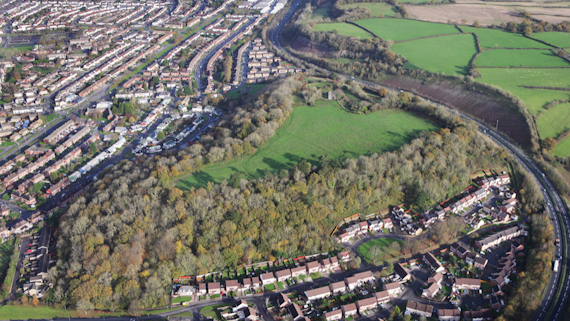
The hidden hillfort of Cardiff (Crown Copyright RCAHMW).
-
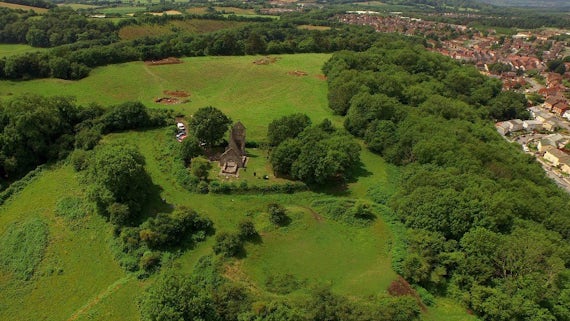
Community excavation and co-production.
-
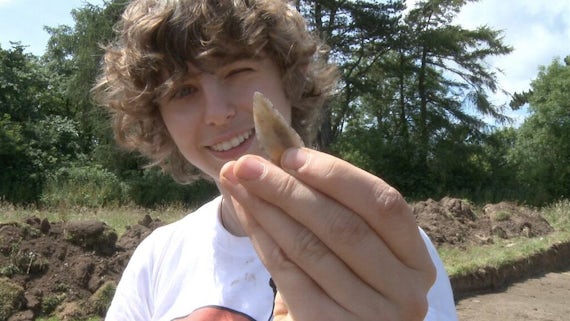
Amazing finds show a long use of the area.
-
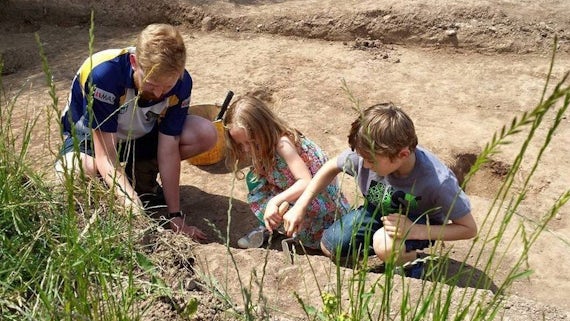
The past is for everyone - children join in excavation.
-
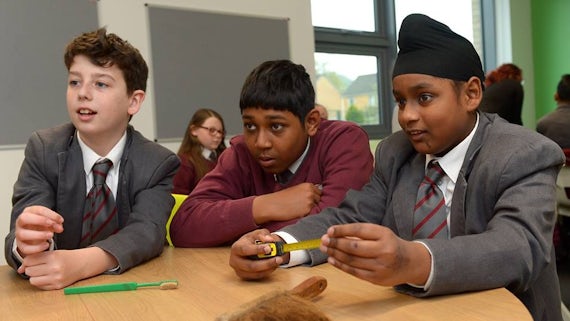
Cardiff West Community High School (CWCH) students learn about excavation.
-
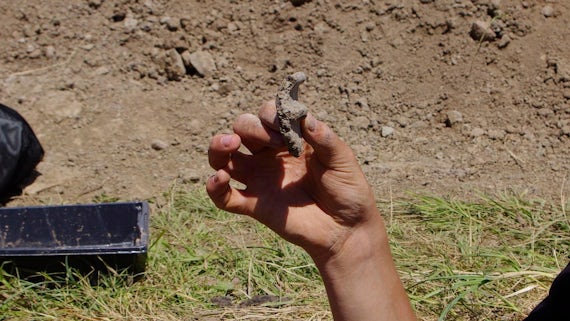
Discovery helps to create a shared ownership of the past.
-
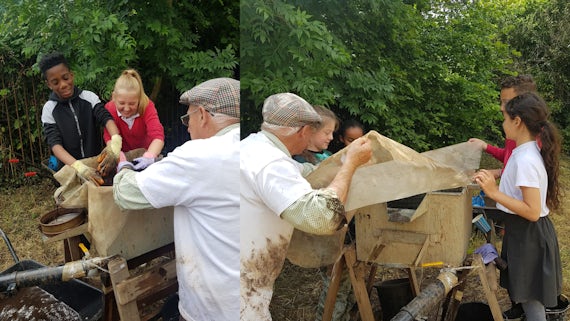
Archaeology brings community together at CAER.
-
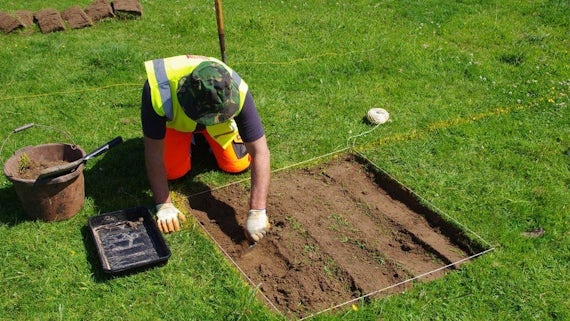
The CAER project helps health and wellbeing in the community.
-
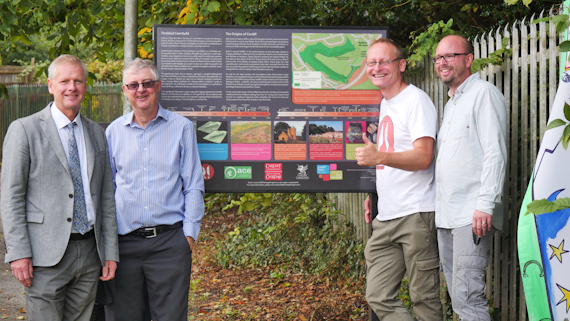
(L-R) Professor Colin Riordan, Vice-Chancellor of Cardiff University, Mark Drakeford MS for Cardiff West, Dr Dave Wyatt, CAER Project Co-director and Dave Horton, Community Development Manager Action in Caerau and Ely. The CAER project information sign was co-created by Cardiff academics with local participants and funded by Cardiff Council.
What are its greatest impacts?
Consistently ranking in the Welsh Index of Multiple Deprivation, Caerau and Ely are among the top ten most deprived areas in Wales, with unemployment almost five times the UK average (15% compared to 3.8%). And tellingly, only 7% of school leavers from this ward go on to university, less than one in four compared to the UK average (34%).
Against this backdrop, this community-driven partnership has changed local attitudes to heritage and cultural participation, transforming educational opportunities through scholarships and adult-learners’ courses, developing positive community narratives, and improving life opportunities through its research-led engagement and co-production model.
Active in all stages of the project, community members have a stronger sense of place, a closer connection to their heritage and a more positive attitude towards their locality.
Challenging stereotypes and stigma, CAER has succeeded in highlighting the complex histories of its ever-evolving community.